
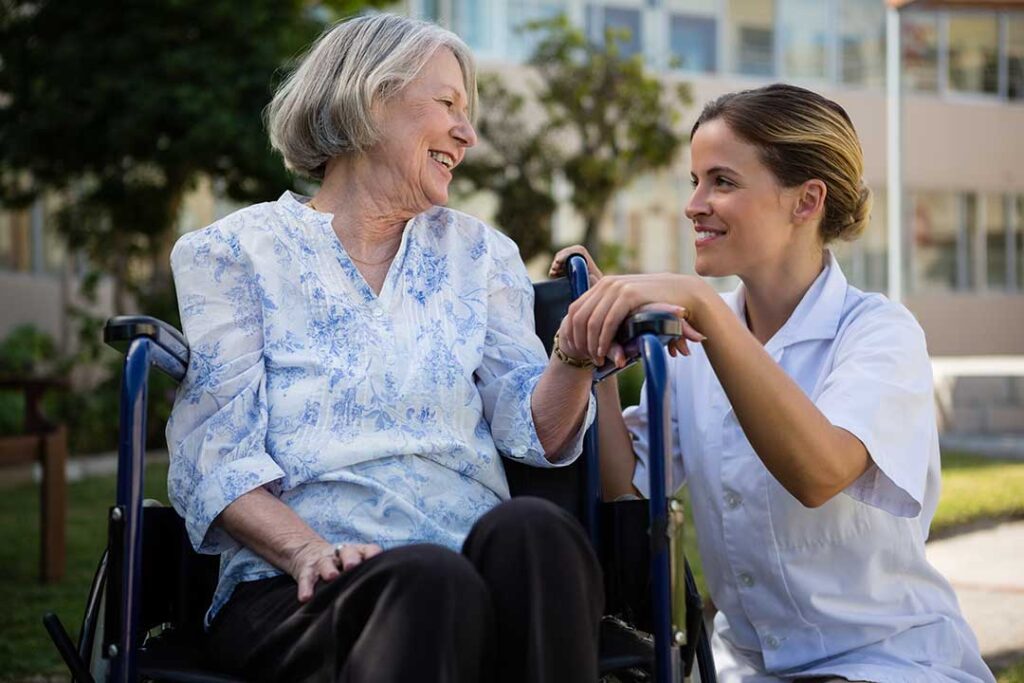
For families in Olyphant, PA, the difference between assisted living and a nursing home usually comes down to the level of daily help and medical care a person needs. Assisted living generally supports people who can remain somewhat independent with assistance, while nursing homes serve people who need ongoing skilled nursing, rehabilitation, or 24-hour medical supervision.
The terms can sound interchangeable, but they describe different care settings, staffing expectations, costs, and admission requirements.
What is the main difference between assisted living and a nursing home?
Assisted living is primarily a residential setting with help for everyday activities. A nursing home is a medical-care setting designed for people with more complex or intensive health needs.
Assisted living may help with:
- Bathing, dressing, grooming, and toileting
- Medication reminders or medication management
- Meals, housekeeping, laundry, and transportation
- Mobility and fall prevention
- Social activities and daily supervision
Pennsylvania describes assisted living residences as settings intended to help people maintain independence and make personal choices while receiving needed support. Personal care homes also provide residential assistance, although the services and level of medical support may differ. ([pa.gov](https://www.pa.gov/agencies/dhs/resources/aging-physical-disabilities/personal-care-homes/personal-care-home-faq?utm_source=openai))
Nursing homes provide a higher level of care. Services may include:
- 24-hour nursing supervision
- Wound care and monitoring of complex conditions
- Rehabilitation after surgery, injury, or illness
- Assistance with nearly all activities of daily living
- Care for people who cannot safely remain in a less-supported setting
Pennsylvania identifies nursing homes as licensed medical facilities, while assisted living residences and personal care homes are licensed residential facilities under a different state department. ([pa.gov](https://www.pa.gov/agencies/dhs/resources/aging-physical-disabilities/personal-care-homes/personal-care-home-faq?utm_source=openai))
Who is usually a good fit for assisted living?
Assisted living may be appropriate when someone is no longer fully safe or comfortable living alone but does not require continuous skilled nursing care.
Common signs include difficulty with:
- Preparing meals or maintaining proper nutrition
- Managing medications
- Bathing, dressing, or using the bathroom safely
- Keeping up with housekeeping and laundry
- Walking safely, especially during icy or snowy weather
- Responding appropriately to emergencies
- Remembering appointments or daily routines
For an older adult living in a private home, the decision may follow a gradual change rather than one dramatic event. A person may still be able to make decisions, participate in activities, and manage some tasks while needing help with others.
Assisted living is not necessarily a permanent endpoint. Needs can change after a fall, hospitalization, stroke, infection, or progression of dementia. A residence should be evaluated based on both current needs and the likelihood that care needs will increase.
Who may need a nursing home instead?
A nursing home is more likely to be appropriate when a person needs regular skilled nursing or cannot be safely cared for with routine assistance alone.
Examples may include:
- Frequent medical monitoring
- Complex medication or treatment needs
- Significant mobility limitations
- Extensive assistance with eating, repositioning, or personal care
- Recovery requiring physical, occupational, or speech therapy
- Serious wounds, breathing problems, or unstable chronic conditions
- A need for continuous supervision because of medical risk
Nursing homes may provide both short-term rehabilitation and long-term care. Medicare explains that nursing homes commonly serve people recovering after surgery or illness as well as people who need long-term assistance with daily activities. Medicare generally does not pay for long-term custodial care when that is the only service needed, although coverage rules may apply to qualifying skilled care. ([medicare.gov](https://www.medicare.gov/coverage/nursing-home-care?utm_source=openai))
A person may enter a nursing home for rehabilitation and later return home or move to assisted living. The care pathway is not always a one-way progression.
How do staffing and medical services differ?
The staffing model is one of the clearest distinctions.
Assisted living staff usually focus on personal care, supervision, meals, medication support, and help with daily routines. Pennsylvania requires assisted living residences to have a nurse on site or on call and access to a dietitian. Personal care homes are not medical facilities and may not be required to employ nurses or other medical staff in the same way. ([pa.gov](https://www.pa.gov/agencies/dhs/resources/aging-physical-disabilities/personal-care-homes/personal-care-home-faq?utm_source=openai))
Nursing homes are structured around continuous nursing and medical care. They may have registered nurses, licensed practical nurses, certified nursing assistants, therapists, social workers, and physicians or other medical providers involved in care planning.
This does not mean assisted living lacks health services. Some residences coordinate outside nursing, therapy, hospice, or physician services. The key question is whether those services can safely meet the resident’s needs without requiring a nursing-home level of care.
Which setting offers more independence?
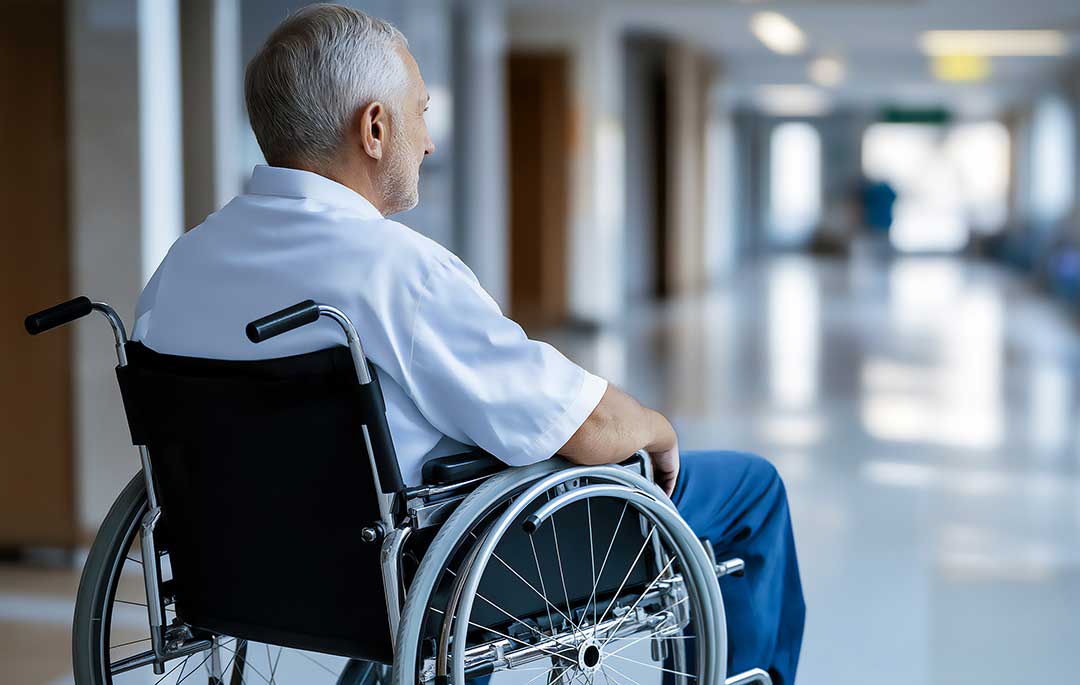
Assisted living generally offers more independence because residents often have private or semi-private living spaces, personal schedules, and choices about meals and activities. The goal is to provide support without taking over every aspect of daily life.
Nursing homes also protect resident rights and encourage participation in care decisions, but the daily routine may be more structured because residents require closer monitoring and treatment.
Independence should not be judged only by the appearance of a building. A person may have greater practical independence in assisted living because help is available before a small problem becomes a crisis. Conversely, someone with serious medical needs may be more independent in a nursing home because appropriate care reduces pain, instability, or repeated hospital visits.
How are assisted living and nursing homes paid for?
Payment depends on the type of care, the person’s income and assets, insurance coverage, and eligibility for public programs.
Pennsylvania reports that assisted living and personal care homes generally do not receive the same third-party reimbursement structure as nursing homes, although some residents with limited income may receive support through programs such as Supplemental Security Income. ([pa.gov](https://www.pa.gov/agencies/dhs/resources/aging-physical-disabilities/personal-care-homes/personal-care-home-faq?utm_source=openai))
Nursing home care may involve private funds, long-term care insurance, Medicare for qualifying short-term skilled care, or Medicaid for eligible long-term care. Medicare is not generally a source of payment for custodial nursing-home care alone. ([medicare.gov](https://www.medicare.gov/coverage/nursing-home-care?utm_source=openai))
Families should ask for a written list of included services, extra charges, medication fees, transportation costs, care-level increases, and discharge conditions. In Pennsylvania, personal care home contracts are expected to identify services, costs, financial arrangements, and other important terms. ([pa.gov](https://www.pa.gov/content/dam/copapwp-pagov/en/aging/documents/publications/benefits-and-rights/documents/benefits%20and%20rights%202023%20reprint%208-2024.pdf?utm_source=openai))
What should families consider in Olyphant?
Local conditions can affect whether a setting is practical and safe. Winter snow, ice, and freezing temperatures may make outdoor steps, driveways, and transportation more difficult for someone with balance or mobility concerns. Older homes may also have stairs, narrow bathrooms, or maintenance needs that become harder to manage over time.
Families should consider:
- How far the setting is from relatives who will visit regularly
- Whether transportation is available during poor weather
- How emergency plans account for power outages or severe storms
- Whether the building is accessible for walkers or wheelchairs
- Whether the person can continue seeing familiar medical providers
- How meals, activities, and visits fit the person’s habits and preferences
- Whether the setting can accommodate increasing care needs
A nearby option is not automatically the right option, but distance can affect how often family members visit and how quickly they can respond to changes.
What questions should be asked before choosing?
A useful comparison focuses on actual care needs rather than labels. Ask:
- What assistance is available overnight?
- Who gives medications, and how are changes handled?
- What happens after a fall or hospital discharge?
- Can the setting manage incontinence, dementia-related behaviors, or mobility equipment?
- What medical services are provided directly, and which must be arranged separately?
- What conditions would require a move to a higher level of care?
- How are care plans reviewed as needs change?
- What are the total monthly costs, including added services?
Pennsylvania encourages families to review inspections, quality information, and facility practices when evaluating long-term care options. The state’s long-term care resources also identify the Long-Term Care Ombudsman Program as a source of help with concerns about long-term care services. ([pa.gov](https://www.pa.gov/agencies/aging/pa-carekit/caregiving-resources/long-term-services-and-support-options?utm_source=openai))
The most suitable setting is the one that matches the person’s current health needs, preserves as much choice as possible, and has a realistic plan for changes in care. Assisted living may be appropriate for support with daily life, while a nursing home may be necessary when continuous skilled care or medical supervision is required.
